Consumers expect brands to speak their language—literally and figuratively. When marketing campaigns feel generic or out of touch, they not only fall flat and waste budget, but can actively erode trust.
Localized marketing turns cultural insight into higher engagement, conversions, and loyalty. By tailoring campaigns to local languages, customs, and preferences, brands can build stronger connections.
In this guide, we’ll explore localized marketing techniques that really speak to audiences, and provide a step-by-step blueprint for building a localized marketing strategy with ActiveCampaign.
What is localized marketing and why it matters
Localized marketing is the process of adapting campaigns to fit the cultural context of each market.
Unlike "local area marketing," which focuses on physical proximity (like store openings or local events), a localized marketing strategy addresses the broader challenge of making global campaigns feel personal everywhere. It covers adjustments in language, visuals, offers, and timing.
Key benefits include:
- Higher click-through rates (CTR) and engagement: By tailoring messaging to local language, tone, and cultural references, audiences are more likely to respond to your campaigns.
- Lower customer acquisition costs (CAC): Personalized content reduces friction in the customer journey, increasing conversion rates and making marketing spend more efficient.
- Stronger brand affinity and repeat business: When customers feel that your brand understands them, it builds trust and loyalty, encouraging repeat purchases and long-term relationships.
The benefits of localized marketing are compelling, but localized marketing also comes with challenges. Navigating cultural nuances, maintaining brand consistency across regions, and managing workflows to execute campaigns at scale can be complex considerations, and feel daunting. Addressing these effectively is key to unlocking the full potential of a global strategy.
Core components of successful localized marketing
Building a localized marketing strategy requires more than just language skills. Success depends on a number of components that work together to deliver campaigns feeling personal and relevant, such as:
- Cultural insight: Understanding local culture is non-negotiable. This means more than translating text. You need to use the right imagery, respect local customs, and know what resonates (or offends).
- Channel mix: Different markets favor different channels. Some regions respond best to SMS, while others prefer email or in-app messaging.
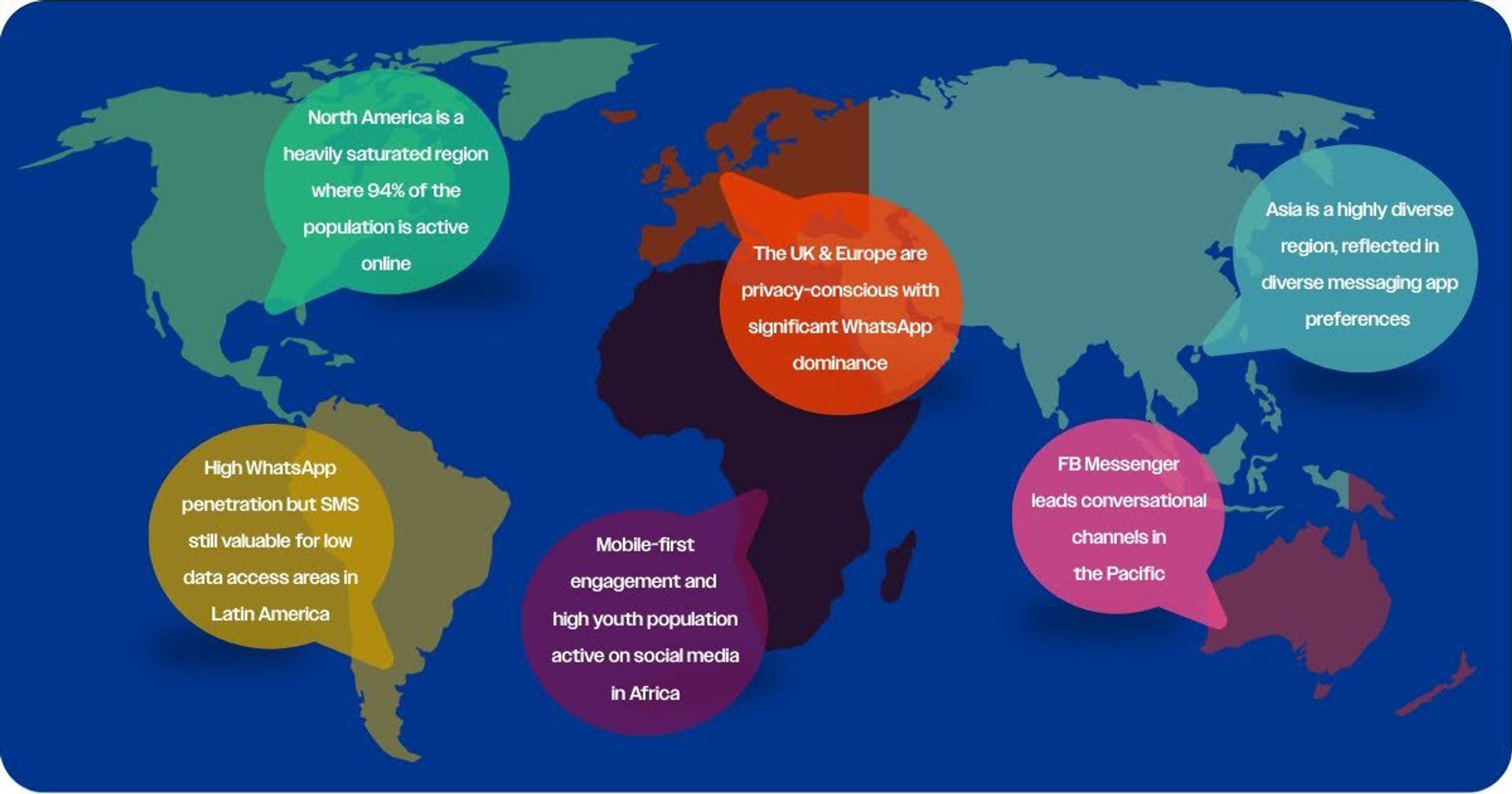
Examples of regional marketing message channel preferences. (Data sources: 1, 2.)
- Data foundation: Data is the engine of effective localization. It allows you to identify and understand differences across markets, from language preferences and time zones to buying behavior, seasonal trends, and engagement patterns.
When these components work together, they transform a single global message into experiences that feel natural, wherever your customers are.
The localized marketing blueprint: 6 steps to win any market
This actionable blueprint covers everything from audience segmentation to automation and measurement. Follow these steps to plan, launch, and optimize campaigns that resonate in every market.
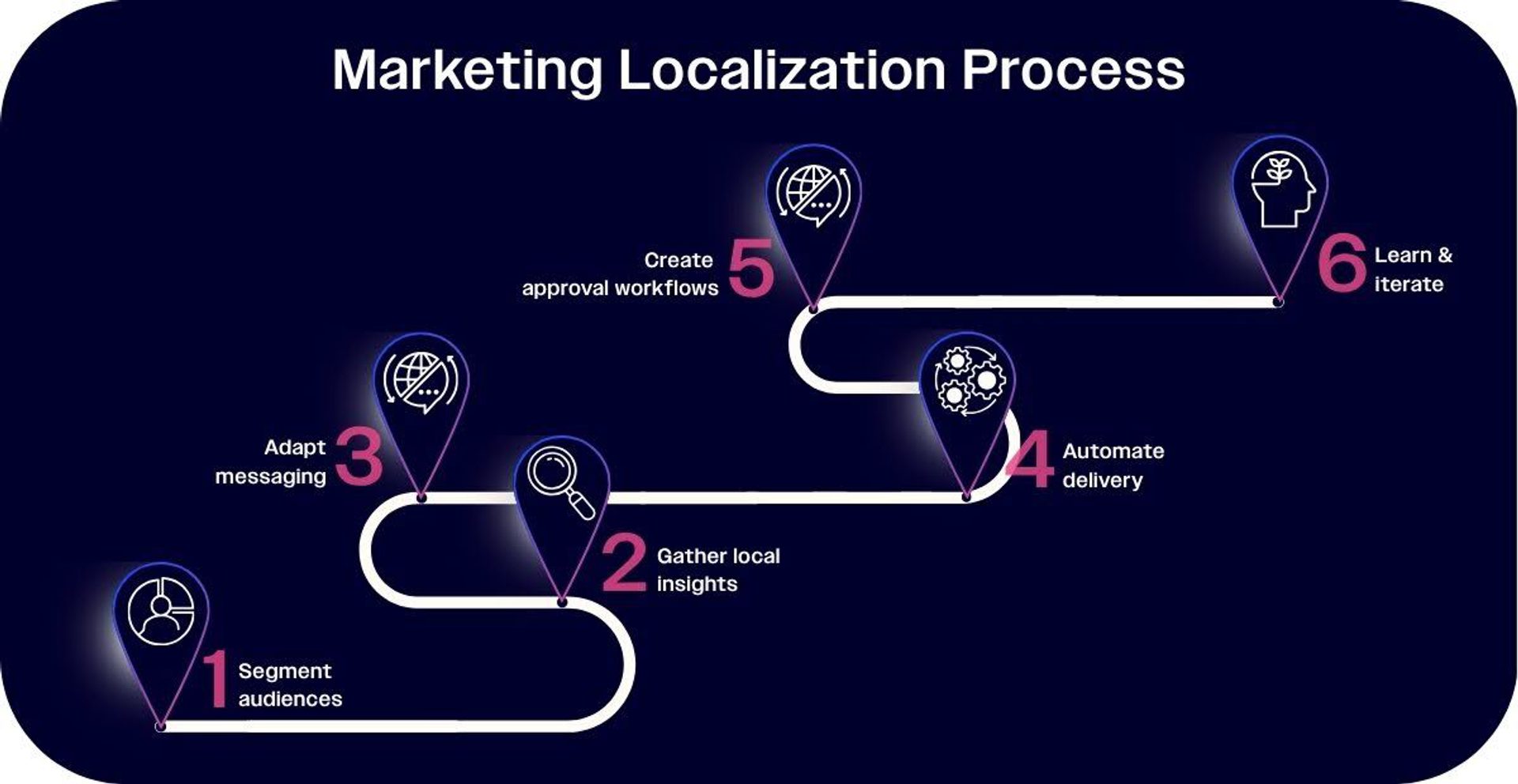
6 step marketing localization process.
1. Segment and prioritize local audiences
Start by grouping customers using location-relevant CRM and purchase data. Segment by region, language, or even individual store location. Prioritize markets based on revenue potential and cultural distance.
Markets with high growth and distinct cultural needs often yield the biggest returns from localization, so analyze sales data to identify high-potential regions. Focus first on markets with the largest gaps between current and potential performance.
A clear segmentation strategy ensures resources go where they'll have the most impact.
2. Gather local insights and compliance requirements
Don't assume you know what local customers want. Run local surveys, monitor social media, and scan competitors to gather real insights.
When undertaking local research, follow these steps to make sure you really understand what will work:
- Document cultural dos and don'ts for each market.
- Consider regional legal constraints to avoid missteps.
- Note holidays and important calendar events for the area.
- Survey local customers about specific preferences and pain points.
- Use social listening tools to track trending topics.
- Build a compliance checklist for each region.
This groundwork prevents costly mistakes and sets the stage for authentic engagement.
3. Adapt messaging, visuals, and offers, not just words
Translation is much more than word-swapping. Navigating language nuance, jargon, and slang is a complex business.
Use a messaging checklist to ensure every element fits the local context:
- Use imagery that reflects local people and places, and avoid symbols or colors with negative connotations.
- Display prices in local currency.
- Adapt jokes, idioms, or references to local sensibilities.
- Use action phrases that match local buying behaviors.
Map your brand voice guidelines to regional tone nuances. For example, a playful tone in the U.S. might need to be more formal in Japan. It’s best to review all creative assets with local experts before launch, if possible.
4. Automate cross-channel delivery at scale
Manual localization doesn't scale well. Intelligent automation solutions are beginning to emerge to help marketing teams grow their campaigns more efficiently across regions. These solutions include:
- AI-based translation tools help to reach customers in their preferred language. It’s important to work with a trusted platform for multilingual email marketing, and to review and refine translations before sending for quality control.
- Employ dynamic content blocks to automatically adjust pricing, inventory availability, promotions, or product recommendations based on each customer’s location or preferences. For example, your audience in Berlin could see pricing in euros, while customers in Chicago see dollars, without different campaigns being created from scratch for each location.
Automation tools let you deliver campaigns that are globally coordinated, without scaling up your team.
5. Create workflows for approvals and brand governance
Effective localized marketing requires clear processes for maintaining both quality and control. It’s important to keep campaigns on-brand and compliant, without slowing teams down.
Here are some tactics you can use to set your team up for success:
- Centralize master templates, enable local flexibility: Build core templates that define global brand elements (layout, tone, imagery) while giving local teams editable sections for language, offers, or cultural references.
- Define roles, SLAs, and version control: Assign clear ownership for content creation, translation, review, and approval. Establish SLAs so local teams know turnaround expectations, and use version control to prevent duplicate or outdated assets.
- Automate approvals and track changes: Use workflow automation to route localized campaigns for review and approval before they go live. Maintain a shared, cloud-based library so everyone works from a single source of truth.
This structure empowers local marketers to move quickly while ensuring every campaign reflects the same trusted global brand.
6. Measure, learn, and iterate by region
Track engagement and conversion metrics by region, language, and message type to understand what resonates in each market. Look for patterns:
Do open rates differ by tone?
Do certain offers convert better in specific countries or seasons?
Run A/B tests on localized variations, such as subject lines, imagery, or calls to action, to identify what performs best. Marketing platforms like ActiveCampaign make this easier by providing split testing tools that distribute and compare performance for you across audience segments or locations.
Finally, review insights regularly to spot emerging trends or shifts in audience behavior. Feed those learnings back into your content, creative, and channel strategy. Over time, this continuous feedback loop keeps your campaigns locally relevant and globally effective.
4 common localization pitfalls to avoid
Even experienced teams stumble when localizing campaigns. From translation blunders to fragmented insights, let’s explore how to avoid common pitfalls and keep your localized marketing strategy on track.
Translation without true localization
Many brands equate translation with localization, but direct word swaps miss deeper cultural context. This can lead to campaigns that feel generic or, worse, tone-deaf.
Use this checklist to spot "word swapping" vs. cultural adaptation:
- Does the message use any idioms, slang, or expressions that would sound unnatural to the audience?
- Are jokes, metaphors, or cultural references relevant and understandable in the target market?
- Is imagery appropriate for local customs, values, and lifestyles?
- Are dates, measurements, and currencies formatted for the region?
- Do colors, symbols, and gestures carry the same meaning (or potential sensitivities) locally?
- Does the tone or emotional appeal align with local communication styles — e.g., direct vs. subtle, formal vs. casual?
Many people underestimate the dangers of half-baked translation. Making these checks can save you from costly errors. For example, Pepsi's "Come alive with the Pepsi Generation" was mistranslated in China as "Pepsi brings your ancestors back from the grave". Humorous in hindsight, but in reality a costly blunder that triggered widespread ridicule of the brand.
Inconsistent brand voice across markets
Expanding into new markets can fragment your brand if teams adapt messaging without alignment. You need to build a unified experience across channels, even when undertaking complex translation workflows and other content adaptations.
Use these guidelines to build a central style guide with regional flexibility:
- Define core brand values and tone: Make it clear what should never change: your purpose, personality, and key phrases.
- Show localized examples: Include model translations that reflect tone shifts—like formal in Japan, conversational in the U.S., friendly and upbeat in Australia, or more reserved and professional in Germany—to guide regional writers.
- Implement structured QA: Have every localized asset reviewed for tone, terminology, and visual consistency before launch. Use checklists or automated QA workflows to keep reviews efficient.
This balance ensures local relevance without losing the recognizable voice that makes your brand feel consistent worldwide.
Ignoring data and local feedback loops
Localization isn't a one-and-done project. Without tracking local performance and listening to feedback, campaigns can quickly lose relevance.
Set up dashboards for each locale that surface metrics like engagement, conversions, unsubscribe rates, and sentiment by region. Combine this data with qualitative feedback from local sales, support, or customer success teams to understand why performance varies.
Regular reviews should identify trends, test adjustments, and feed successful local learnings back into your global strategy.
Tech silos slowing multi-region campaigns
In localized marketing, silos often form when regional teams use different tools, data sources, or workflows. This leads to inconsistent messaging, duplicated effort, and slower campaign launches.
To prevent this, connect your core systems—marketing automation, CMS, translation tools, and analytics—or choose a marketing platform that can do so for you, so data and creative assets flow easily between global and local teams.
It’s also helpful to establish an “orchestrator” role or cross-functional team where possible, to oversee shared processes, ensure alignment on timelines and quality, and facilitate knowledge exchange between markets.
How ActiveCampaign powers localized marketing at scale
Localized marketing is powerful, but it’s also complex. ActiveCampaign simplifies it with powerful features that are part of our autonomous marketing platform. Take a look at some of the features that you can use to solve multi-market marketing:
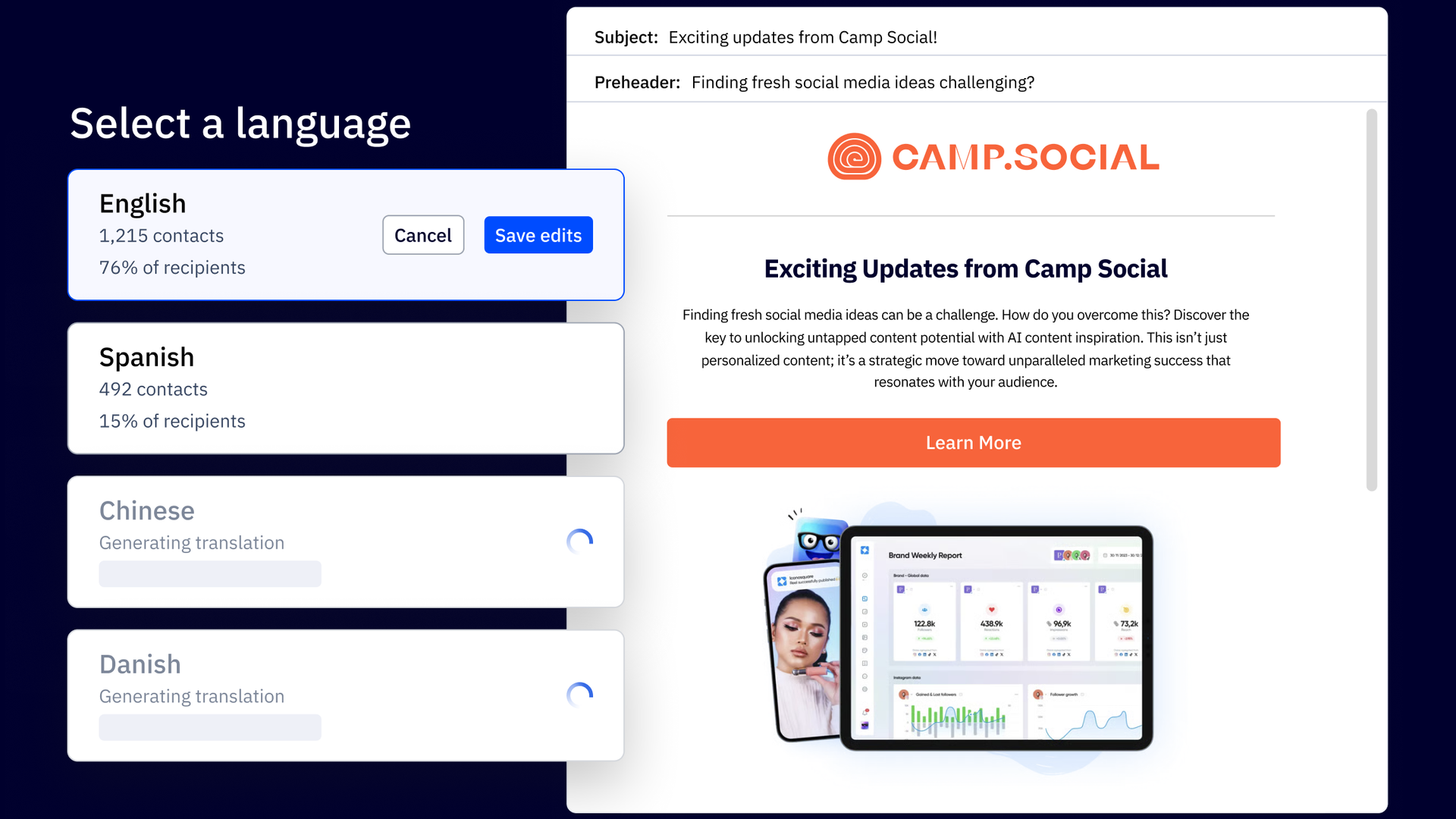
- AI Translations for instantly on-brand emails: Adapting messaging and visuals for each market is a major hurdle. You can create one email and instantly translate it into up to 75 languages, matching each contact's preferred language.
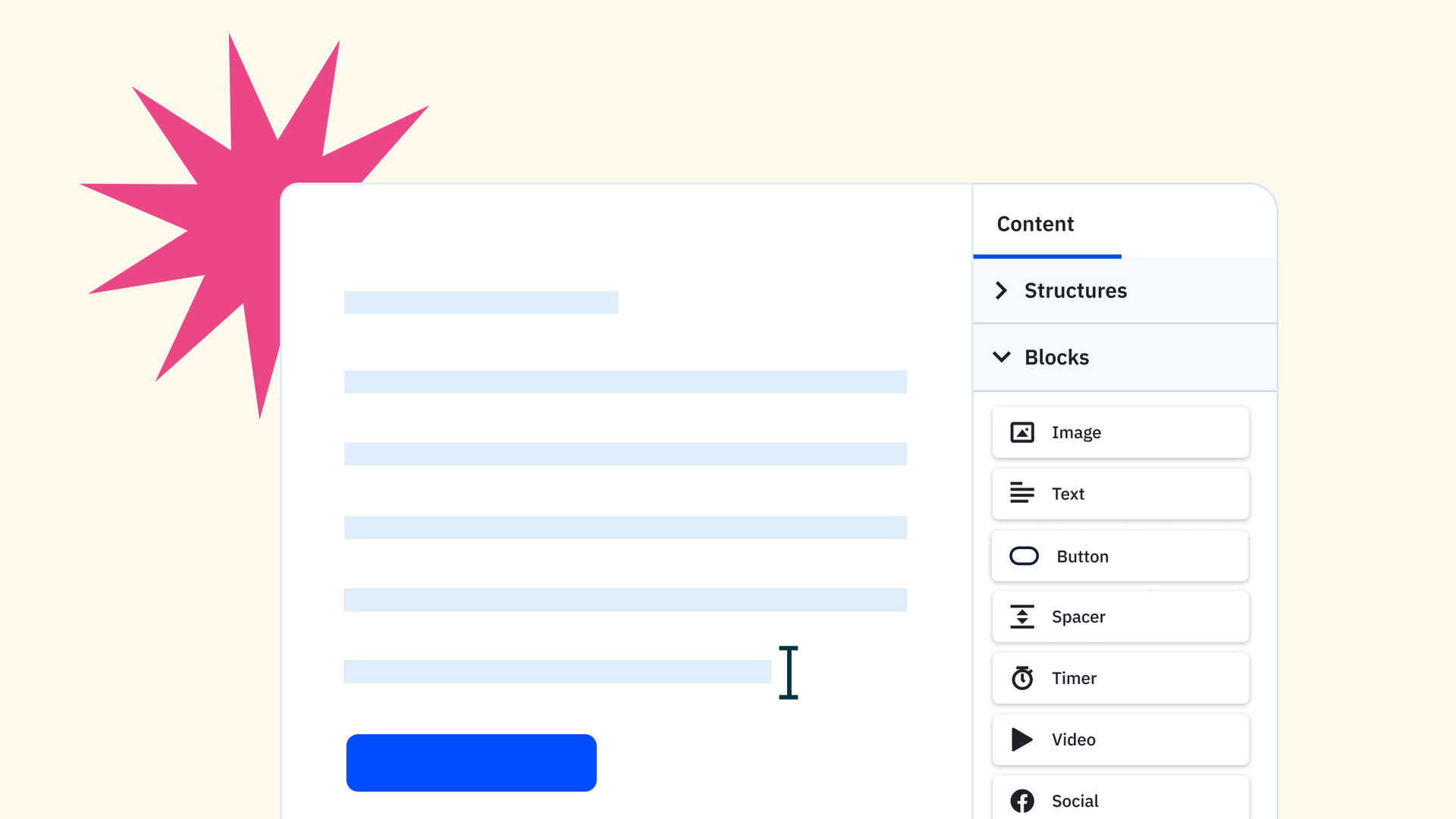
- AI Brand Kit for on-brand templates in no time: Imports your brand's fonts, colors, and logos from your website to generate beautifully branded templates in just a few clicks.
- ActiveCampaign HQ for pushdown automations: Sync templates and automations to all locations, while allowing local teams to make approved tweaks to keep campaigns consistent but flexible.
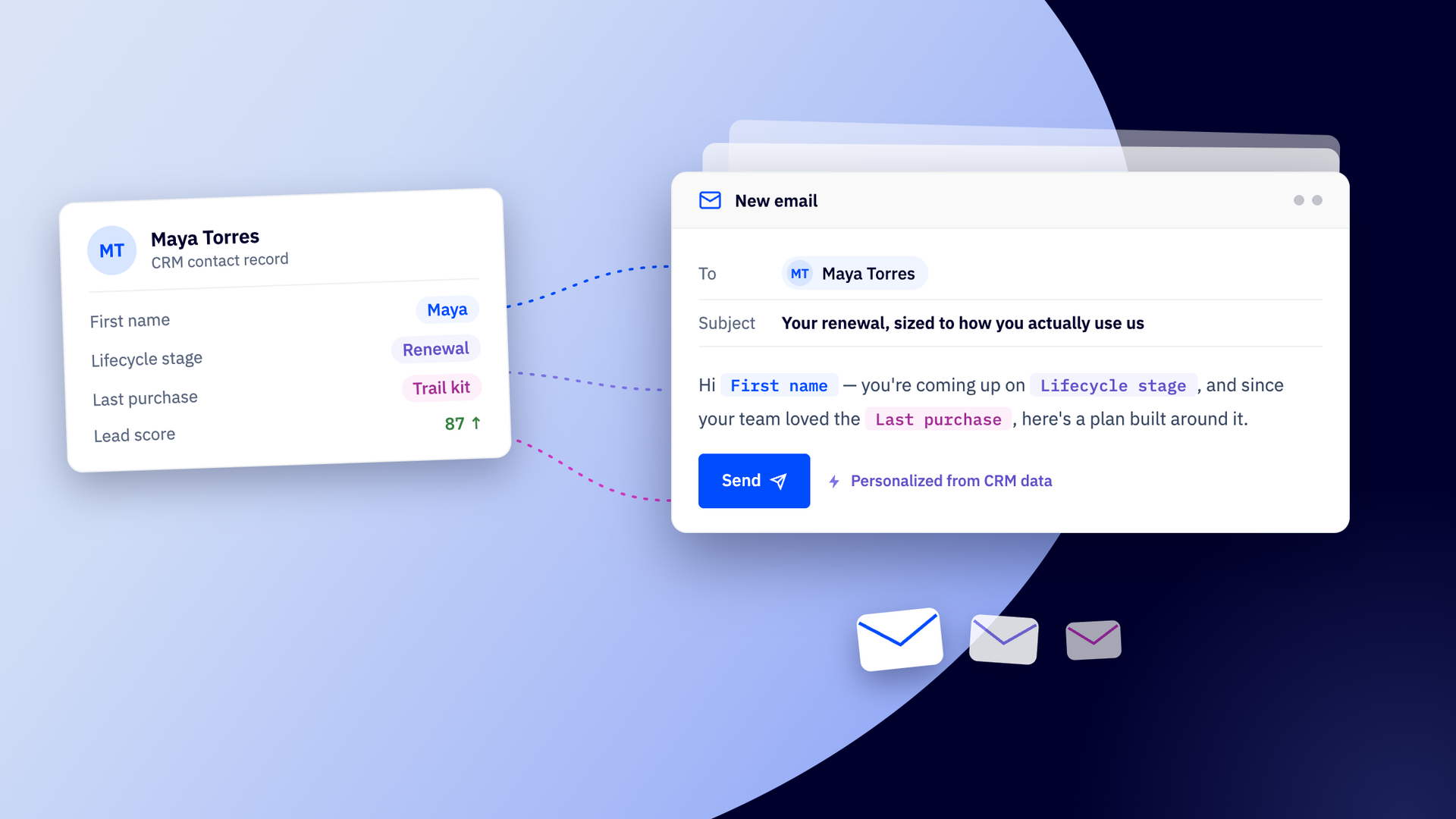
- Localization tags with dynamic message variables: Personalize pricing, images, and offers by location for every campaign, focusing on what your local customers want to see.
- AI-powered content generation: Quickly adapt messaging for new markets.
- SOCi business listing integration for local SEO boosts: Optimize local search performance to drive regional engagement by automatically syncing business listing updates to all franchisee email templates.
- Custom reports that consolidate analytics by location: Easily track ROI with customizable real-time dashboards and business goals.
How Painting with a Twist built localized campaigns across 200+ U.S. franchises with ActiveCampaign
Painting with a Twist faced a classic localization challenge: keeping its brand consistent across 220+ franchises while letting each studio craft messaging that resonated with its local audience. Studios needed the flexibility to adapt promotions, offers, and tone for their communities — without losing the core brand identity.
With ActiveCampaign, the brand deployed centralized, brand-approved templates that could be customized by location for email campaigns and re-engagement messaging. Each studio could tailor offers, timing, and creative elements to its local market while staying aligned with the national brand, resulting in:
- 95% franchise adoption of the platform.
- 65% increase in email volume across the network.
- 25% revenue lift tied directly to localized campaigns.
- Autonomy for local studios to personalize offers, supported by shared data and resources.
Want to build a localized marketing strategy that turns global campaigns into personal experiences as well? Watch your brand resonate everywhere it reaches with ActiveCampaign. Book a demo.
FAQs
What is the difference between localization and translation?
Translation converts text from one language to another, while localization adapts messaging, visuals, and offers to fit the cultural context of each market. Localization makes sure that campaigns feel natural and relevant, not just understandable.
How many markets should I localize for at first?
Start with your highest-potential markets—those with the largest revenue opportunity or the biggest cultural gap from your home market. Expand as you build processes and see results.
How does ActiveCampaign translate emails automatically?
ActiveCampaign's AI Translations feature lets you create a single email campaign and instantly translate it into up to 75 languages, matching each contact's preferred language field. You can review and edit translations before sending to ensure accuracy and cultural fit.
What metrics prove localized marketing ROI?
Key metrics include open and click-through rates by region, conversion rates, revenue per localized campaign, and customer retention in each market. ActiveCampaign's reporting tools let you track these metrics in real time.
How do localization tags work in ActiveCampaign?
Localization tags (dynamic variables) let you personalize content—such as pricing, images, or offers—based on each recipient's location or preferences. This ensures every customer receives messaging that's relevant to their market, without manual campaign duplication.