Timely and efficient customer communications can make or break your business. It’s why so many companies are leveraging WhatsApp to manage activities ranging from marketing to sales to support.
But what happens when your WhatsApp message volume starts hitting triple or quadruple digits every week? Without the right infrastructure, your team could find themselves scrambling to follow up with inquiries or launching campaigns that don’t actually convert. Questions like who followed up with this lead or why haven’t we closed the loop on this conversation from last week can bog down your team, turning WhatsApp into an organizational bottleneck.
The good news is there is a solution for any WhatsApp chaos you might encounter as your organization continues to scale: multi-agents.
With a multi-agent inbox, your entire team can view, assign, and handle customer messages all in one place. It’s the difference between having conversations scattered across individual devices and having full visibility into interaction with the tools to manage them efficiently.
WhatsApp is a powerful tool. It demands an equally sophisticated management solution.
With over 3 billion users active across 180+ countries, WhatsApp is more than just a messaging channel. It’s where your customers already are. And unlike email or SMS, WhatsApp delivers results that are difficult to ignore:
- 98% open rate compared to email’s 20% average
- WhatsApp campaigns often see a 50% click-through rates, whereas SMS campaigns average 25% across industries
- A response rate of 55% compared to email’s 20% average
Here’s the thing. These metrics only matter if you’re able to manage conversations at scale—and that’s where multi-agent inboxes become essential.
Unlike email or text message, WhatsApp combines instant delivery, rich media support, and the trust of customers who already use it for their daily activities. Because your messages land in the same inbox as conversations with friends and family, there’s a higher chance they’ll be opened, read, and acted on faster.
But the immediacy of WhatsApp also brings with it high expectations. Customers expect responses within minutes, not hours. When multiple team members are juggling hundreds of conversations without proper organization, response times slip, leads fall through the cracks, and conversion rates drop. And if you’re planning to message customers where they conduct their private conversations, the last thing they want to see from businesses is spammy or overly promotional content.
This is why businesses managing large-scale WhatsApp communications need more than just access to the platform—they need systems that organize, automate, and track every conversation.
How the WhatsApp multi-agent inbox works
For businesses already using WhatsApp, switching from a personal or free business account to the WhatsApp Business Platform (also known as WhatsApp API) is a natural next step. The WhatsApp API makes it possible for businesses to integrate WhatsApp’s messaging features into a solution like ActiveCampaign to manage multiple agents simultaneously.
A multi-agent inbox is exactly what it sounds like. It’s a shared workspace where your entire team can view, assign, and respond to WhatsApp messages in one unified place. The advantages of using multi-agents to handle your WhatsApp inquiries include:
- Centralizing your WhatsApp inbox. Instead of chasing conversations down in separate inboxes, multi-agent consolidates your messages into one workspace that every team member can access.
- Assigning chats to individual agents. With multi-agent, you can delegate specific messages to different agents based on their function, expertise, availability, and more.
- Improving internal team collaboration. A multi-agent inbox facilitates better collaboration among team members because it increases transparency and ensures smooth data sharing between teams.
- Automating responses and routing. No-code chatbots can automatically reply to frequently asked inquiries and direct complex queries to the right team member.
With ActiveCampaign WhatsApp Messaging, you can take your inbox management even further by freeing up your team to focus on strategic work instead of repetitive tasks. WhatsApp Messaging makes it possible for you to:
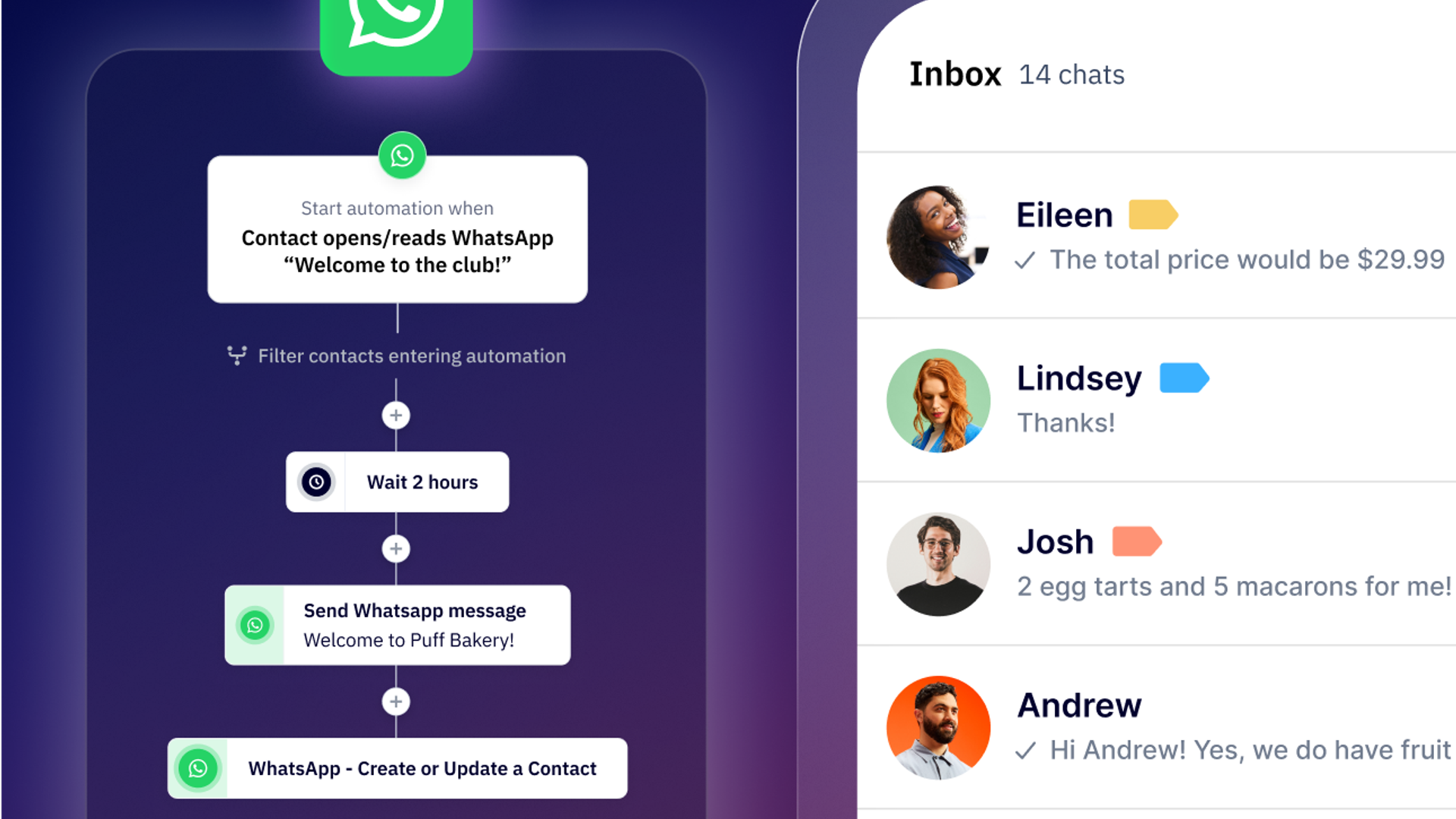
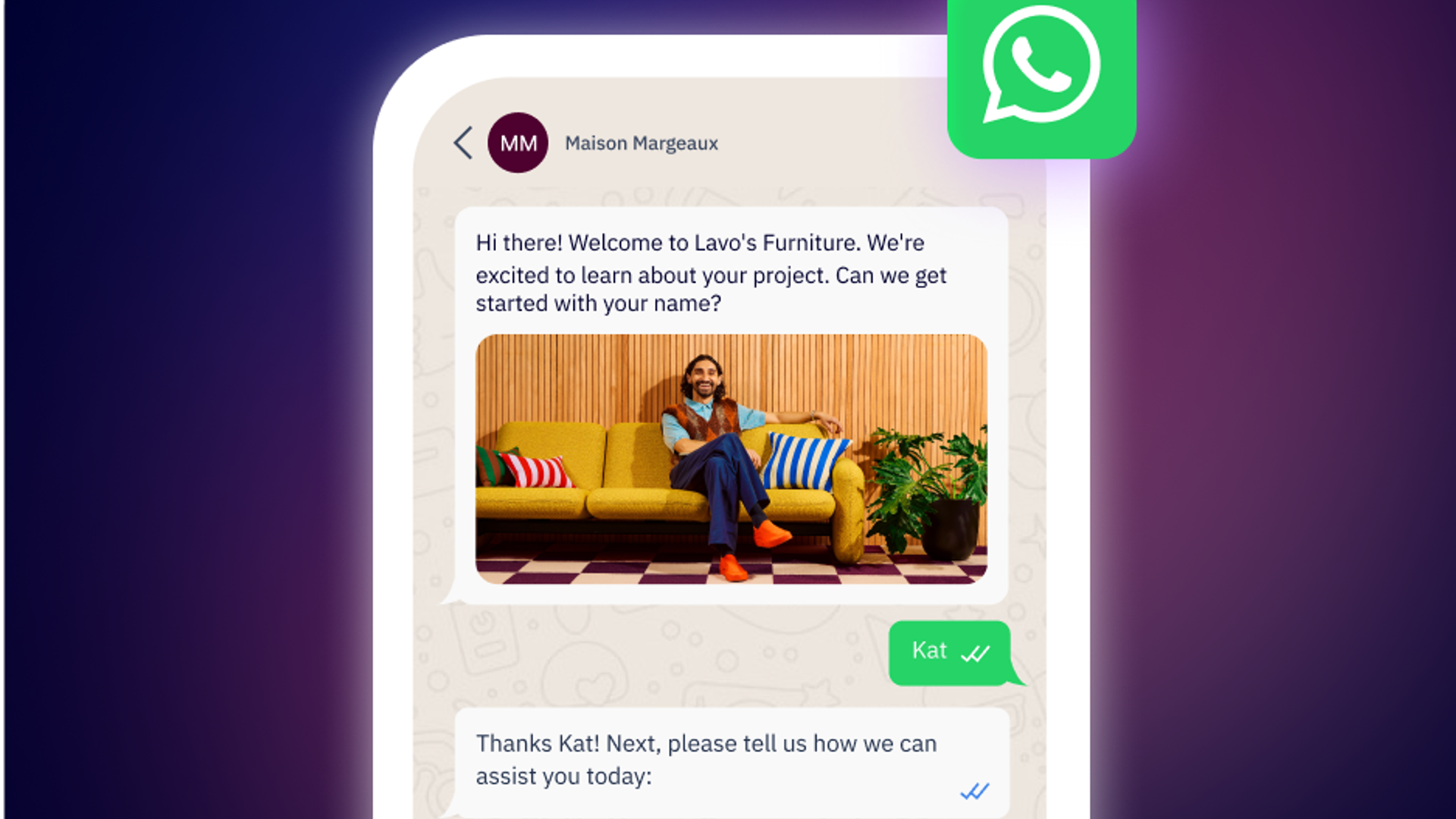
- Route leads through a simple chatbot that identifies what the customer needs, assigns a label, and connects them with the right team member.
- Keep conversations organized by team, ensuring support inquiries go to support, sales questions go to sales, and so on and so forth.
- Trigger automated follow-ups based on actions in your CRM, like when a lead hasn’t responded in two weeks or submits a request for additional information.
- Centralize contact information so you can see everything about your contact in one dashboard, from when they last contacted you to what issue they reached out with.
This translates into two major wins for your business:
- Higher conversion: With an organized and systematic follow-up workflow, you can prevent leads from slipping through the cracks. A timely response is often the difference between closing the deal with a prospect and losing a would-be customer because they never heard back from your team.
- Time and money saved: Multi-agents can profile your customers before their chats are routed to your team so agents can jump right into addressing their problem. With WhatsApp chatbots, you can automate information gathering sessions and repetitive queries, saving your team time and resources otherwise spent doing this manually.
Two common use cases for a WhatsApp multi-agent inbox
These capabilities translate into real-world value across multiple business functions. Here’s where multi-agent inboxes can make some of the biggest impact:
- Technical support team: Multi-agents can intelligently route support queries based on product type, issue complexity, and support team availability, ensuring customers get timely responses without having to talk to multiple people or waiting on hold for hours. Agents can work together behind the scenes, collaborating with other product experts or leveraging internal knowledge bases while keeping the customer conversation seamless.
- Sales team: WhatsApp multi-agents empower sales teams to qualify and route incoming leads to the appropriate representative based on location, product, and even language preference. If a prospect asks about pricing or product features, multi-agents can automatically loop in a product specialist or an engineer to keep the conversation going. This helps teams respond faster during busy sales cycles and handle multiple conversations simultaneously, without ever overlooking a potential lead.
Scale without the chaos
As your company and WhatsApp conversations continue to grow, it’s unrealistic to expect any team to manage these messages manually. A multi-agent workflow can transform your WhatsApp chaos into an organized, high-performing channel that drives real business results.
If your team is already feeling the strain of juggling hundreds (or even thousands) of WhatsApp conversations, it may be time to adopt a multi-agent system. The difference between losing leads and converting them into customers often comes down to having the right tools in place.
Ready to turn WhatsApp conversations into conversions? See how WhatsApp Messaging can help you transform your inbox or reach out to a sales team member to learn more today.
Frequently Asked Questions
How does ActiveCampaign integrate with WhatsApp to support multi-agent inbox management?
ActiveCampaign offers native integration with the WhatsApp Business Platform, enabling your entire team to manage WhatsApp conversations from a single, shared inbox. This unified workspace allows multiple agents to view, assign, and respond to customer messages efficiently, ensuring no conversation is missed and every inquiry is handled promptly.
What features does ActiveCampaign offer to help teams organize and assign WhatsApp conversations efficiently?
ActiveCampaign provides tools to centralize WhatsApp messages, assign chats to specific agents, and label or filter conversations for easy tracking. Teams can collaborate seamlessly, delegate inquiries based on expertise or availability, and automate routing so each message reaches the right person without manual effort.
Can I automate WhatsApp follow-ups and lead routing using ActiveCampaign?
Yes, ActiveCampaign lets you automate WhatsApp follow-ups and lead routing using no-code chatbots and intelligent workflows. You can set up automated responses, trigger follow-ups based on CRM actions, and route leads to the right team member, ensuring timely engagement and efficient lead management in your WhatsApp marketing.
How can WhatsApp chatbots in ActiveCampaign streamline repetitive marketing tasks?
WhatsApp chatbots in ActiveCampaign can automatically answer common questions, collect lead information, and qualify prospects before handing them off to your team. This reduces manual workload, speeds up response times, and ensures your team focuses on high-impact conversations.
What are the benefits of using automated lead routing for WhatsApp marketing campaigns?
Automated lead routing ensures every inquiry is directed to the right agent or team instantly, eliminating delays and manual sorting. This improves lead response times, increases conversion rates, and helps your team scale campaigns without sacrificing personalization or efficiency.